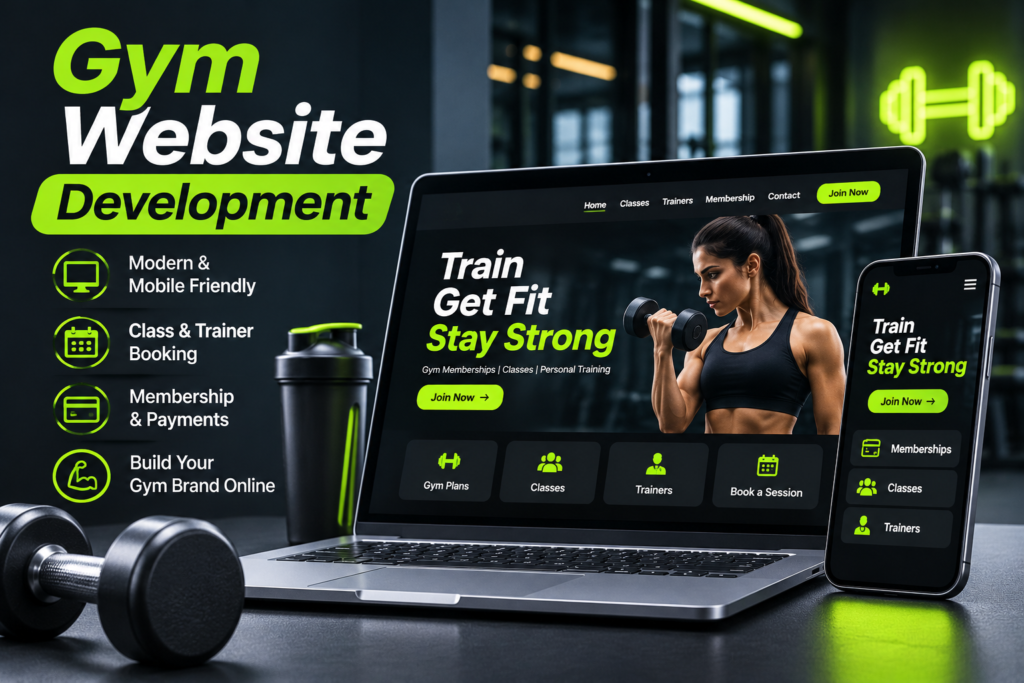
The fitness industry is becoming increasingly competitive, and having a professional online presence is essential for attracting new members. Whether you operate a local gym, personal training studio, fitness centre, or large health club, your website can help you reach potential customers and grow your business. This is where professional Gym Website Development becomes important.
A well-designed gym website does more than display your business information. It allows visitors to explore membership plans, book fitness classes, meet trainers, purchase services, and contact your team. With the right features, your website can turn visitors into paying members and help your fitness business stand out from competitors.
In this guide, we will explore 10 must-have features of Gym Website Development that can improve user experience, increase membership enquiries, and support long-term business growth.
Why Is Gym Website Development Important for Fitness Businesses?
A professional website works as your gym’s digital storefront. Potential members often search online before choosing a fitness centre. They want to understand your facilities, compare membership options, check class schedules, and find out whether your gym meets their fitness goals.
Effective Gym Website Development helps fitness businesses provide this information in one convenient place.
Here are some important benefits:
- Builds trust and credibility with potential members.
- Makes your gym easier to find through search engines.
- Allows visitors to explore membership packages.
- Simplifies class bookings and enquiries.
- Promotes personal training and fitness programmes.
- Helps your business attract more local customers.
- Provides a convenient way to communicate with members.
Without a professional website, your gym may miss opportunities to connect with people who are actively searching for fitness services.
10 Must-Have Features of Gym Website Development
A successful fitness website should be attractive, easy to navigate, and designed around the needs of potential and existing members. The following features can make your Gym Website Development project more effective.
1. Attractive and Professional Website Design
First impressions matter. When visitors open your gym website, they should immediately understand what your fitness business offers.
A modern design with high-quality images, clear headings, and attractive colours can make your gym look professional and trustworthy.
Your homepage should include:
- Your gym’s name and branding.
- High-quality images of gym equipment and facilities.
- A clear introduction to your services.
- Membership information.
- Prominent contact and registration buttons.
- Links to important website pages.
During Gym Website Development, focus on creating a design that reflects your gym’s identity. A professional appearance can encourage visitors to explore your services and consider joining.
2. Mobile-Friendly and Responsive Design
Many people use smartphones to search for gyms, compare fitness centres, and book workout sessions. If your website does not work properly on mobile devices, you could lose potential customers.
Responsive design ensures that your website adjusts to different screen sizes, including smartphones, tablets, and desktop computers.
A mobile-friendly gym website should provide:
- Easy-to-read text.
- Simple navigation menus.
- Fast-loading images.
- Mobile-friendly booking forms.
- Clearly visible contact buttons.
- Convenient membership registration.
Mobile responsiveness should be a priority in every Gym Website Development project because it improves accessibility and makes it easier for visitors to take action.
3. Online Membership Registration
Making membership registration simple can help increase gym sign-ups. Instead of asking visitors to call or visit your facility, allow them to explore membership options and submit their details online.
Your website can include different membership packages, such as:
- Monthly gym membership.
- Annual membership.
- Student membership.
- Family membership.
- Premium membership.
- Personal training packages.
Each package should clearly explain its price, benefits, duration, and included services.
A well-planned Gym Website Development strategy should make membership registration straightforward. You can also integrate secure payment options so customers can purchase eligible memberships directly through your website.
4. Online Class Booking System
Fitness classes are an important part of many gyms. Visitors should be able to view available sessions and book their preferred classes without needing to contact reception.
An online booking system can display:
- Class names and descriptions.
- Instructor information.
- Available dates and times.
- Booking availability.
- Session duration.
- Cancellation policies.
Popular classes may include yoga, Pilates, spinning, strength training, Zumba, and group fitness sessions.
Adding a booking system to your Gym Website Development project can save staff time, improve convenience, and help members manage their fitness schedules.
5. Trainer Profiles and Staff Information
Potential members often want to know who will guide them during their fitness journey. Professional trainer profiles can help establish trust and highlight the experience of your team.
Each trainer profile can include:
- Professional photograph.
- Name and job title.
- Fitness qualifications.
- Areas of specialisation.
- Training experience.
- Personal training services.
- Contact or booking information.
For example, you may feature personal trainers who specialise in weight training, weight management, bodybuilding, strength development, or general fitness.
Including trainer profiles in your Gym Website Development plan helps visitors understand the expertise available at your facility.
6. Membership Pricing and Packages
Visitors should not have to search through multiple pages to understand how much your gym membership costs.
A dedicated pricing page makes it easier for potential customers to compare available options and choose a suitable package.
Your pricing page should clearly display:
- Membership costs.
- Payment frequency.
- Contract duration.
- Included facilities.
- Additional services.
- Any joining fees.
- Special offers or discounts.
You can also add a comparison table to highlight the differences between basic, standard, and premium packages.
Transparent pricing is an important feature of Gym Website Development because it helps customers make informed decisions and reduces unnecessary enquiries.
7. Search Engine Optimisation (SEO)
Having a beautiful gym website is not enough if potential customers cannot find it online. Search Engine Optimisation helps your website appear in relevant search results when people look for gyms and fitness services.
SEO should be included from the beginning of your Gym Website Development strategy.
Important SEO activities include:
- Keyword research for gym-related searches.
- Optimising page titles and meta descriptions.
- Creating useful fitness-related content.
- Improving website loading speed.
- Using descriptive image alt text.
- Creating a clear website structure.
- Optimising pages for local searches.
- Adding relevant internal links.
For example, a local fitness business can target search terms such as “gym near me”, “personal trainer in [city]”, and “fitness classes in [location]”.
A properly optimised website can help your gym attract visitors who are already interested in joining a fitness centre.
8. Customer Reviews and Testimonials
Positive customer feedback can influence someone’s decision to join a gym. People often want to hear about other members’ experiences before choosing a fitness facility.
A testimonials section can feature genuine feedback from your existing members.
You can include:
- Customer testimonials.
- Google review highlights.
- Member success stories.
- Fitness programme feedback.
- Ratings from genuine customers.
Always obtain permission before publishing customer photographs or personal stories.
Adding reviews to your Gym Website Development project can strengthen trust and give potential members more confidence in your services.
9. Contact Forms and Live Communication
Visitors may have questions about membership plans, facilities, personal training, or class availability. Your website should make it easy for them to contact your business.
Useful communication features include:
- Contact forms.
- Business telephone number.
- Email address.
- WhatsApp contact option.
- Gym location and directions.
- Frequently asked questions.
- Live chat, if available.
Keep contact forms simple by requesting only essential information, such as the visitor’s name, email address, and enquiry.
Effective communication features in Gym Website Development can help your team respond to potential customers and convert more enquiries into memberships.
10. Fast Loading Speed and Website Security
Website speed and security are essential for providing a reliable online experience. Visitors may leave if your website takes too long to load or displays technical errors.
A fast and secure gym website should include:
- Optimised images.
- Reliable website hosting.
- Clean website code.
- SSL encryption.
- Regular software updates.
- Secure payment processing.
- Regular website backups.
- Spam protection for forms.
Speed optimisation is especially important for mobile visitors. A secure website also helps protect customer information, particularly when membership registration and online payments are available.
Professional Gym Website Development should consider both performance and security to create a dependable experience for visitors and members.
Additional Features That Can Improve Your Gym Website
The 10 features above provide a strong foundation, but fitness businesses can add more functionality as their requirements grow.
Some useful additional features include:
Fitness Blog and Workout Resources
A blog allows your gym to publish workout tips, nutrition guidance, fitness advice, and exercise tutorials. Regularly publishing helpful content can support SEO and keep visitors engaged.
Member Dashboard
A member dashboard can allow registered users to manage their profiles, view membership details, check bookings, and access selected fitness resources.
Online Store
If your business sells gym clothing, accessories, supplements, or fitness equipment, an online store can create an additional revenue stream. Ensure any products you sell comply with applicable regulations.
Social Media Integration
Connecting your website with Instagram, Facebook, and YouTube can help visitors discover your fitness content, follow your business, and stay updated about promotions.
How to Choose the Right Gym Website Development Approach
Every fitness business has different goals. A small local gym may need a simple website with membership information and contact details, while a larger fitness centre may require online payments, class booking, and member dashboards.
Before starting your Gym Website Development project, consider the following steps:
- Identify your audience: Understand whether you serve beginners, professional athletes, families, or general fitness enthusiasts.
- Define your goals: Decide whether your main objective is increasing membership enquiries, selling packages, or managing bookings.
- Plan your website structure: Organise important pages such as Home, About Us, Memberships, Classes, Trainers, Blog, and Contact.
- Select suitable technology: Choose a platform that supports your required features and can grow with your business.
- Prioritise user experience: Make navigation, registration, and booking simple.
- Plan for SEO: Optimise your website structure and content for relevant searches.
- Test before launch: Check mobile responsiveness, forms, payment functionality, speed, and security.
A clear development strategy helps prevent unnecessary costs and ensures your website supports your business objectives.
Conclusion
A professional website is an important investment for any modern fitness business. From attractive design and mobile responsiveness to online membership registration and class booking, the right features can improve the experience for both potential and existing members.
Successful Gym Website Development is not just about creating an attractive online presence. It is about building a platform that supports business growth, generates enquiries, simplifies daily operations, and helps your gym stand out in a competitive fitness industry.
By including these 10 must-have features, fitness businesses can create a website that attracts visitors, builds trust, and turns more potential customers into loyal gym members.
Frequently Asked Questions (FAQs)
1. What is Gym Website Development?
Gym Website Development is the process of designing and building a website for fitness businesses. It can include membership registration, class booking, trainer profiles, pricing pages, contact forms, and online payments.
2. Why does a gym need a professional website?
A professional website helps a gym showcase its facilities, promote services, attract local customers, generate membership enquiries, and provide important information to existing members.
3. What features should a gym website have?
Important features include responsive design, online membership registration, class booking, trainer profiles, membership pricing, SEO, testimonials, contact forms, fast loading speed, and website security.
4. How much does Gym Website Development cost?
The cost depends on the website’s design, functionality, platform, and complexity. A basic gym website generally costs less than a custom platform with membership management, booking systems, and payment integrations.
5. Is SEO important for gym websites?
Yes. SEO helps fitness businesses improve their visibility in search engines and attract people searching for gyms, personal trainers, and fitness classes in their local area.
6. Can customers purchase gym memberships online?
Yes. A gym website can include secure payment integration and membership registration functionality, allowing customers to explore packages and purchase memberships online.
7. How long does it take to develop a gym website?
The development timeline depends on the website’s size and features. A simple website may take less time, while a custom website with booking, payment, and member management functionality may require additional development.
8. Is mobile-friendly design necessary for fitness websites?
Yes. Many potential gym members browse websites using smartphones. Responsive design makes it easier for visitors to explore services, check schedules, and submit enquiries from different devices.